From the blog · Seasonal
The twice-yearly storage reset that keeps a house working
Storage decays gradually and invisibly. Two sessions a year is enough to stop it, and considerably less work than one big annual purge.
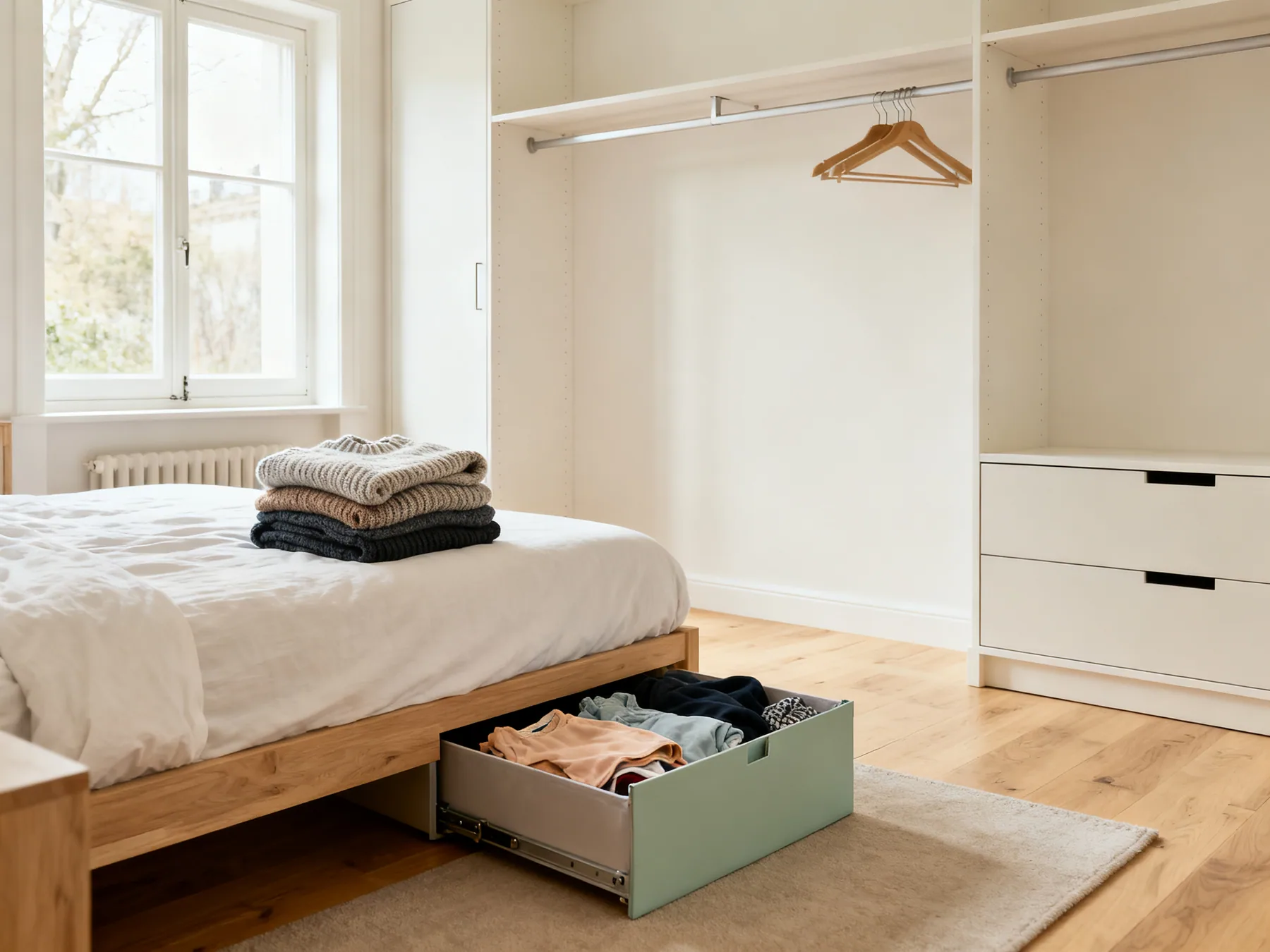
Any storage system, however well designed, drifts. Things get put back in roughly the right place, then approximately the right place, then wherever there is room. Six months later the wardrobe holds two seasons at once and the loft has boxes nobody can identify.
The fix is not a heroic annual declutter. It is two short sessions, at the points in the year where the seasons change anyway, doing the same short list each time.
When to do it
Twice a year, roughly at the spring and autumn clock changes. That timing is not arbitrary: it coincides with the point where the clothes you are wearing genuinely change, and it attaches the task to a date you already notice.
Each session should take two to three hours. If it is taking a full weekend, you are attempting too much at once. Split it across the two sessions instead.
The autumn reset
- Move summer clothes to under-bed boxes or a high shelf; bring winter clothes forward.
- Wash everything before it goes into storage. Body oils attract moths.
- Bring winter bedding out and check it has not gone musty; air it before use.
- Check outdoor storage for water ingress before the wet season starts.
- Drain hoses and outdoor taps, and bring water-based paint indoors before the first frost.
- Move lithium batteries and power tool packs out of the garage or shed and indoors.
- Clear the hallway shoe storage down to winter footwear only.
- Check the loft for signs of rodents while you are up there for the decorations.
The spring reset
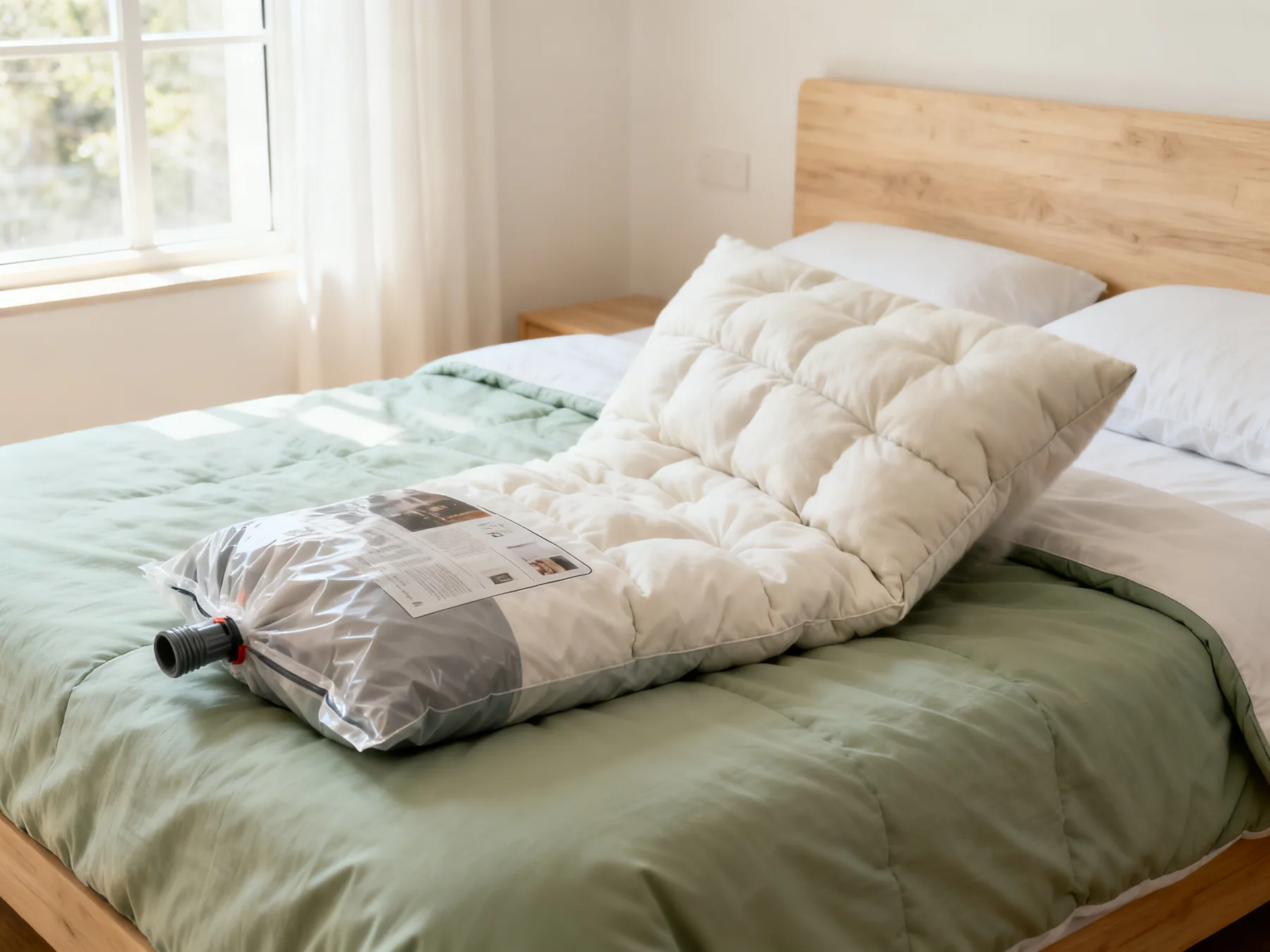
- Reverse the clothing rotation; wash winter items before they go away.
- Re-loft any duvets or pillows that have spent months vacuum-compressed.
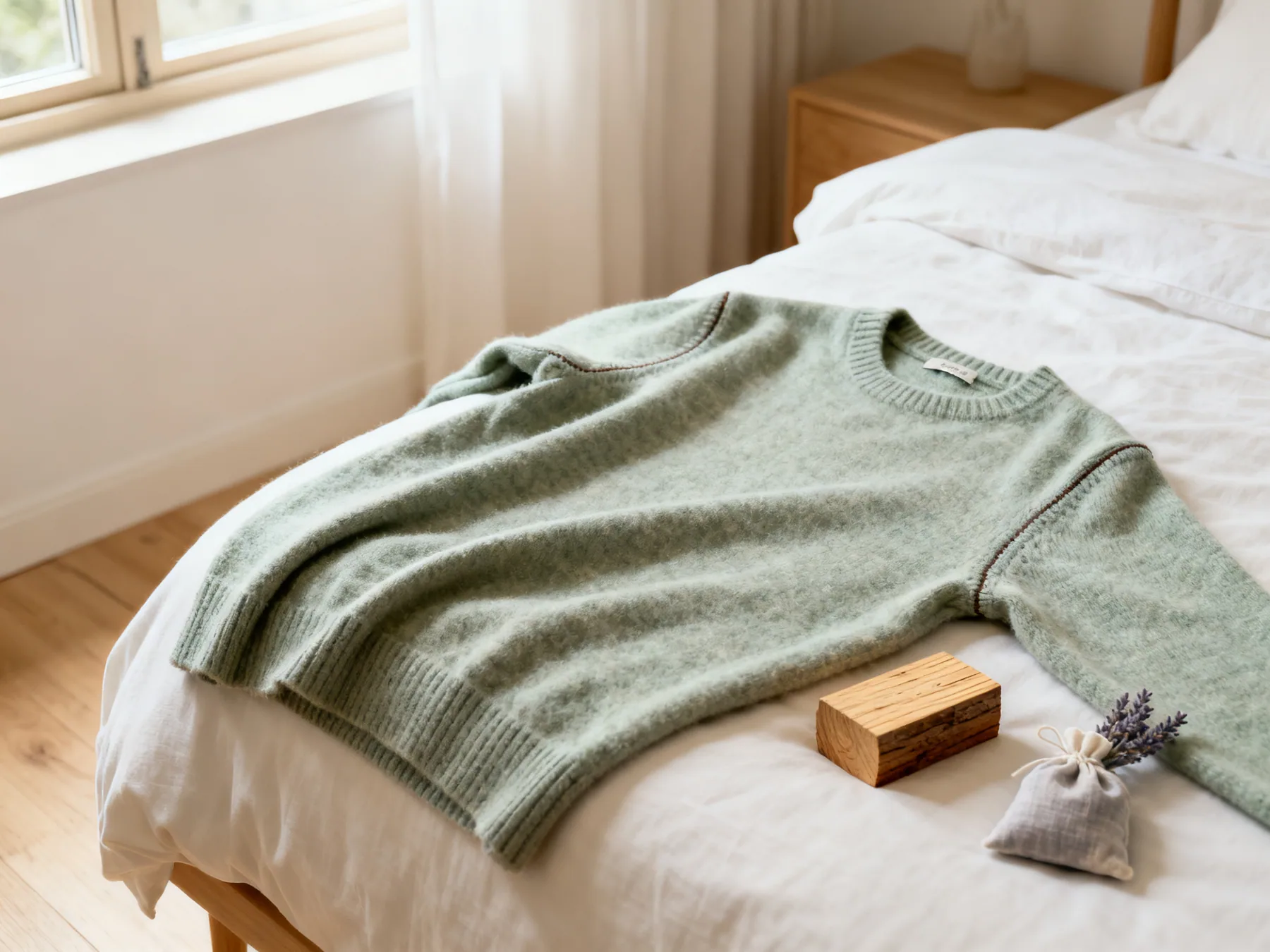
- Inspect stored textiles for moth damage. Check folds and seams, not just surfaces.
- Check garage and shed contents for condensation damage and surface rust; oil bare steel.
- Take garden equipment out, service it, and give it a defined home on the wall rather than the floor.
- Empty and wipe out one storage area completely, on rotation, so each gets done every few years.
- Review anything you did not touch at all over the winter.
The five questions that make the reset quick
The reason resets stall is decision fatigue. These five questions keep it moving, and they work on any category.
Did I use this in the last twelve months?
A full year covers every season and every occasion. If a whole year has passed untouched, the honest answer about next year is usually the same.
Would I buy this again today?
Removes the sunk cost. What something cost is not evidence that it deserves the space it occupies.
Do I own something else that does this job?
Duplicates accumulate silently. Three vegetable peelers and four black cardigans is the normal state of an unreviewed home.
Is this in the right place for how often I use it?
Not everything needs to go. Some of it needs to move. Daily items in deep storage and annual items at eye level is the most common misallocation in any home.
If I keep this, what comes out to make room?
The question that enforces a capacity limit. It turns keeping into an active choice rather than the default.
Frequently asked questions
How often should I reorganize storage?
Twice a year is enough, timed to the spring and autumn clock changes so it attaches to a date you already notice. Two sessions of two to three hours is considerably less work than one annual purge, and it catches damp and pest problems before they establish.
What should I check when rotating seasonal storage?
Damp, pests and compression. Look for condensation damage and surface rust in garages and sheds, check textile folds and seams for moth damage, and re-loft any duvets or pillows that have been vacuum-compressed for months, because the fill loses loft permanently if left crushed.
Should I wash clothes before putting them into storage?
Always. Body oils, perspiration and food traces are what attract moths and what set into permanent stains over months. A garment that looks clean but has been worn is not clean enough to store for a season.