Outdoor & Garden
Wheelie bin storage ideas that you will still use in a year
A bin store has to open two ways. Lid up to put the rubbish in, doors open to wheel the bin out. Miss one and it stops getting used.
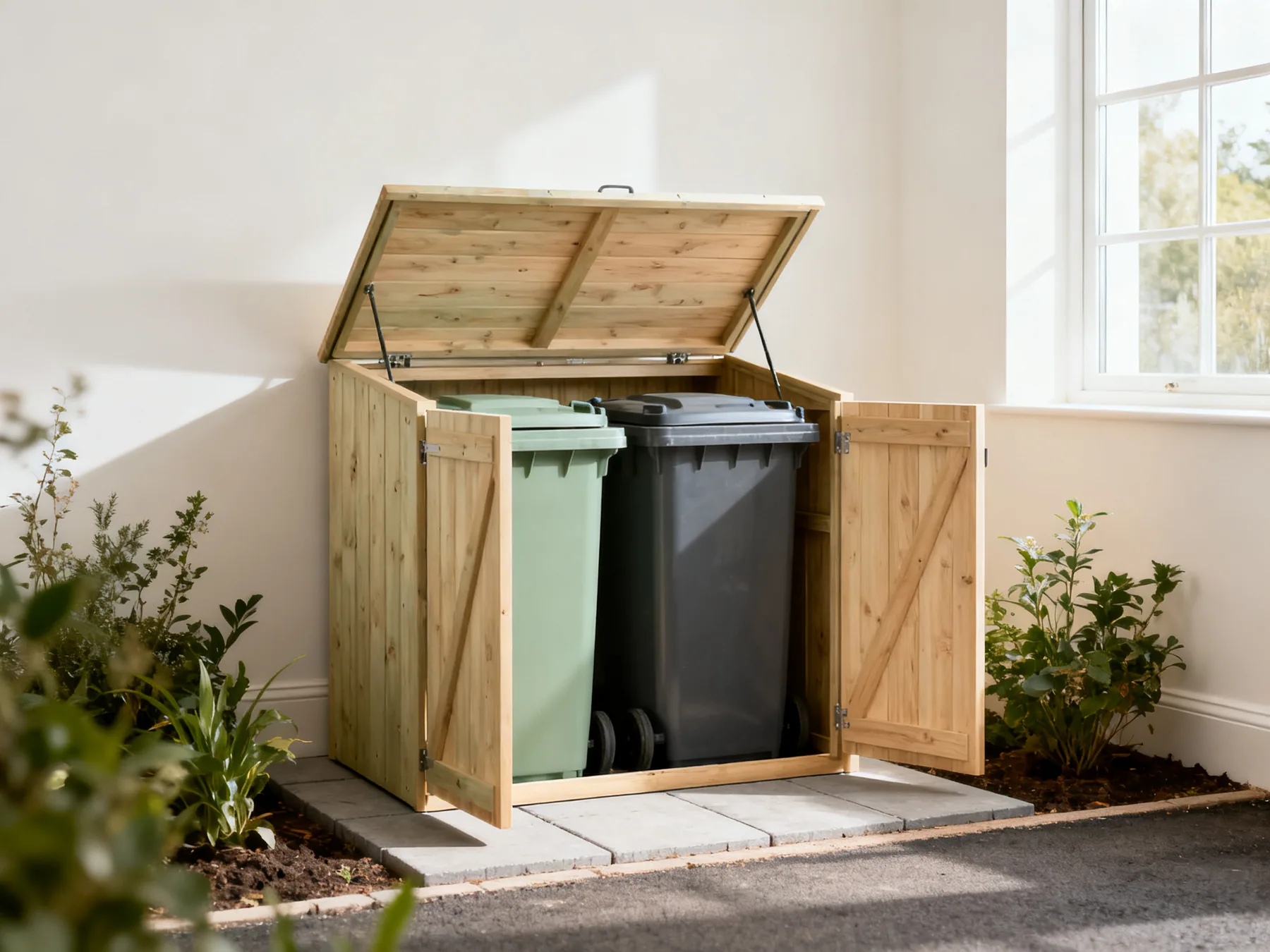
Bin storage is a small problem that generates a surprising amount of household irritation, and most of it comes from stores that only solve half the job. A box with a lifting lid and no doors means dragging a full bin up and over the front. A box with doors and a fixed top means opening the doors and pulling the bin out every time you have a teabag.
You need both. Lid up for daily use, doors open on collection day. That single requirement rules out a lot of what is sold, and it is worth checking before anything else.
The other two things that decide whether a bin store works are the base and the ventilation, and both get skipped because neither is visible in a photograph.
Two ways of opening, or it will not be used
Work out the two motions before you look at materials or price. Putting a bag of rubbish in happens several times a week and needs to be one-handed from standing. Getting the bin out happens weekly or fortnightly and needs the whole bin to roll forward.
A store that makes the daily motion awkward gets abandoned within a month, and the bins end up back where they were with an empty store beside them. I have seen exactly that more than once.
Hinged lid plus front doors
The standard good arrangement. Check the lid lifts clear of the bin lid beneath it, and that the doors open wide enough for the bin to come straight out without lifting.
Check both motions before buying
Check the internal dimensions against your actual bin
Wheelie bins vary considerably between councils. Measure yours, including the lid when closed, and add clearance. A bin that only just fits is a bin you fight with.
Make sure the lid stays up on its own
A gas strut or a stay. Holding a lid up with one hand while putting a bag in with the other is the detail that decides whether people use it.
Plan for the number of bins you actually have
Most households now have three or four containers including recycling and food waste. A two-bin store leaves the rest standing beside it, which defeats the point.
Check the route out
Measure the narrowest point between the store and the pavement, and note any step. A bin that cannot get to the kerb without being lifted is a weekly annoyance.
The base does more than you think
A full wheelie bin is heavy, and its whole weight goes through two small wheels. On grass those wheels sink, so the bin sits at an angle, the lid does not seat properly and pulling it out gouges the lawn. On gravel it is worse, because the wheels dig in and the gravel migrates.
A level hard base with drainage is the difference between a store that works for a decade and one you resent. It is also the least interesting part of the job, which is why it gets skipped.
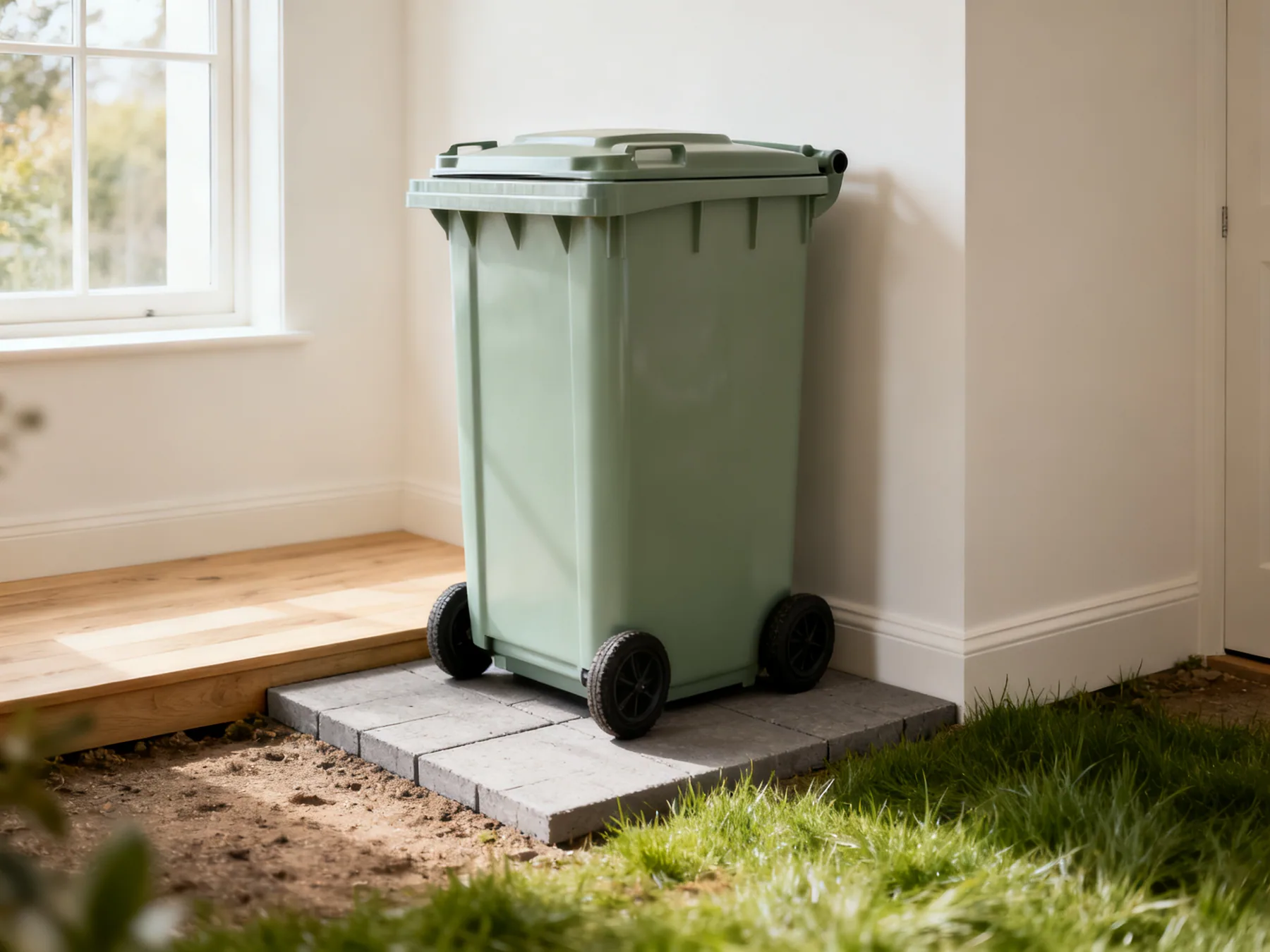
Lay slabs or a concrete pad
Level, and ideally with a very slight fall away from the house so anything spilled drains and can be hosed out. Slabs on a compacted base are enough and do not need to be a big job.
Keep it level rather than sloped
A bin on a slope leans against the store, and the lid does not close properly. Level side to side matters more than people expect.
Make it hoseable
You will need to wash a bin out at some point, usually in summer. A hard base you can hose, with somewhere for the water to go, makes that a five-minute job.
Anchor the store if it is exposed
An empty timber or plastic store in a gale becomes a sail. Fixing it down or weighting the base is worth doing on an exposed site.
Ventilation, because a sealed box smells worse
This is the counterintuitive one. It feels as though enclosing a bin should contain the smell, and in practice a well-sealed box in summer sun becomes an oven, which accelerates everything happening inside the bin and makes it far worse when you open the lid.
Slatted sides and a gap at the base let air move through, which keeps the internal temperature closer to ambient and lets moisture escape rather than condensing inside the store.
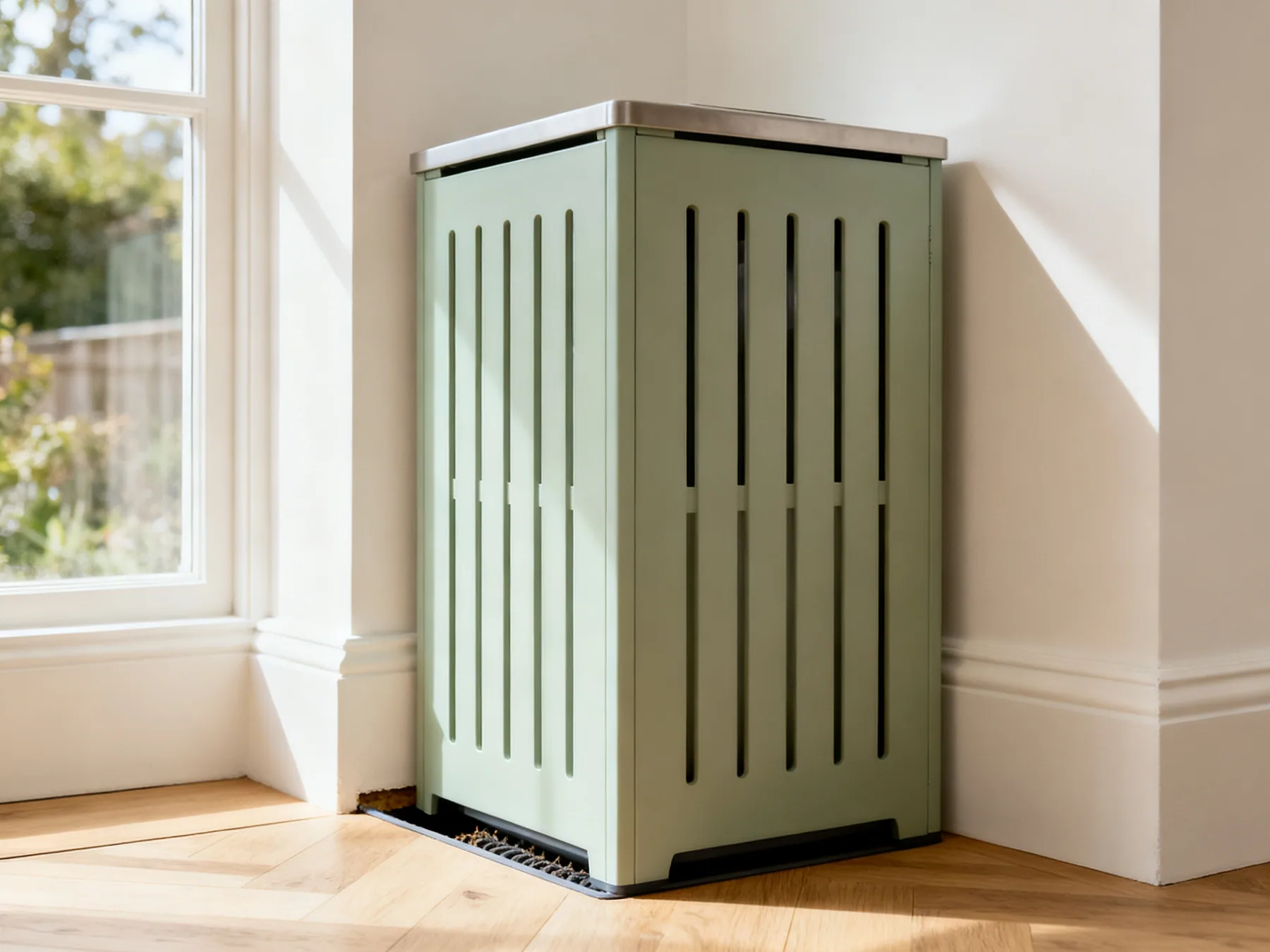
- Choose slatted sides or drill ventilation holes if the store is solid.
- Leave a gap at the base, which also lets you hose it out.
- Put the store in shade if you have the choice. Direct afternoon sun is the worst case.
- Keep the bin lid closed inside the store, since the store is not a substitute for it.
- Wrap food waste before it goes in, which does more for smell than any store design.
- Rinse the bin out occasionally, and let it dry with the lid open.
- A little bicarbonate in the bottom of a bin genuinely helps between washes.
- Do not store the bin tight against the house wall, for smell and for insects.
Animals, and fastening the lid
The reason to secure a bin store is not usually people. Foxes, gulls, badgers, cats and rats will all open an unsecured lid, and a bin tipped over overnight spreads a week of rubbish across a garden and a pavement.
A simple hasp, a bungee or a purpose-made bin lock solves almost all of it, and the store itself does a lot just by putting a second lid between the animal and the rubbish.
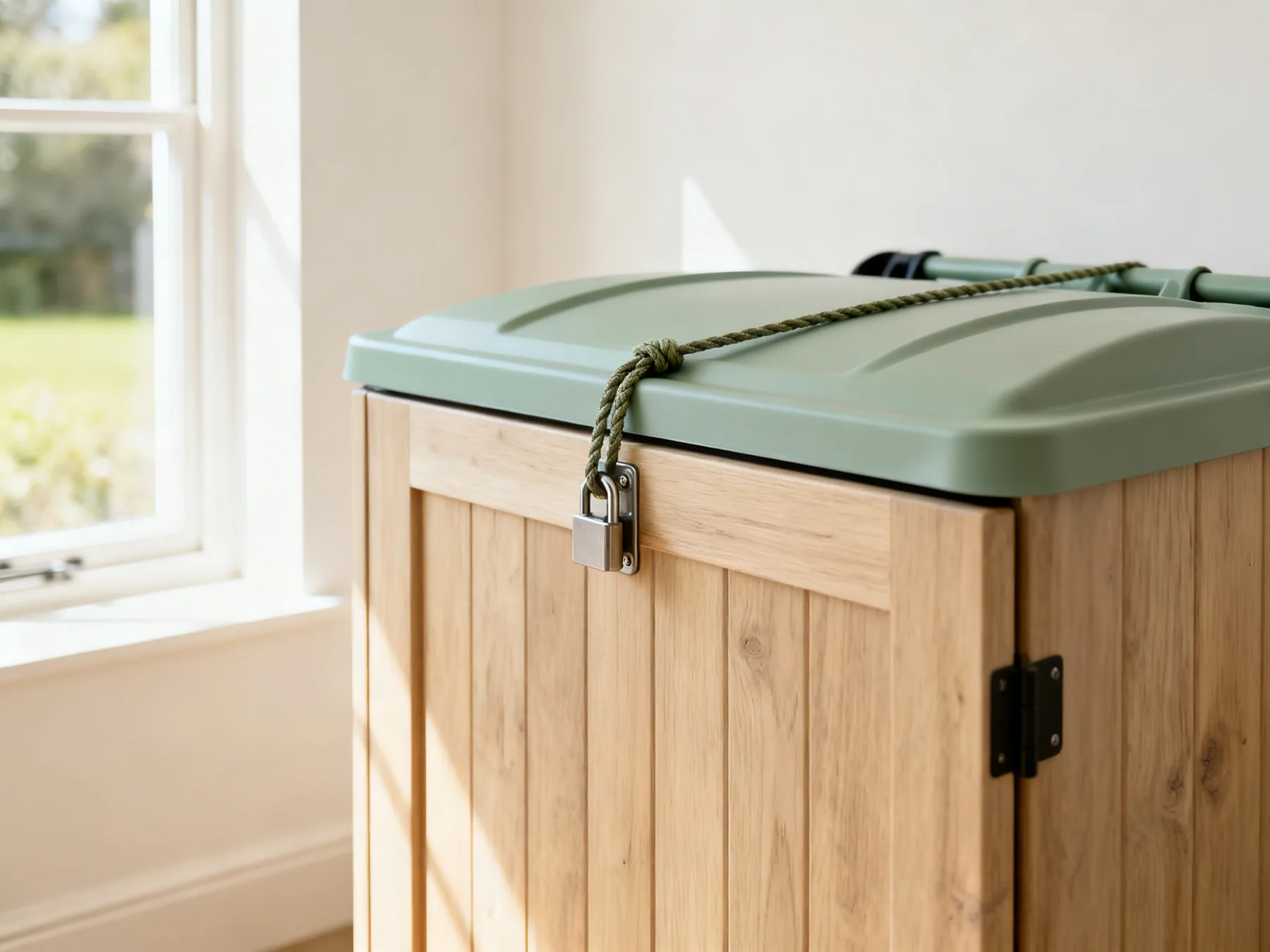
Fit a hasp or a bungee on the store lid
It does not need to be a lock. Anything that requires deliberate lifting defeats most wildlife, and that is the whole requirement.
Use a bin lock if foxes are persistent
A gravity or clip lock on the bin lid itself, which many councils supply or permit. Check the collection crew can release it easily, or your bin will not get emptied.
Check it does not stop collection
Never leave bags outside the bin
A bag beside a bin is an invitation, and one opened bag undoes everything else. If the bin is full, the bag waits inside until collection.
Deal with rats seriously and early
Gnaw marks on a plastic bin or a hole at the base means rats rather than foxes. That is a pest control matter rather than a storage one, and it does not resolve on its own.
Recycling, food waste and the rest of the containers
Most households now juggle three or four containers, and the ones without wheels are the ones that end up leaning against a wall. Bringing them into one place with the wheelie bin is what stops recycling accumulating in the kitchen.
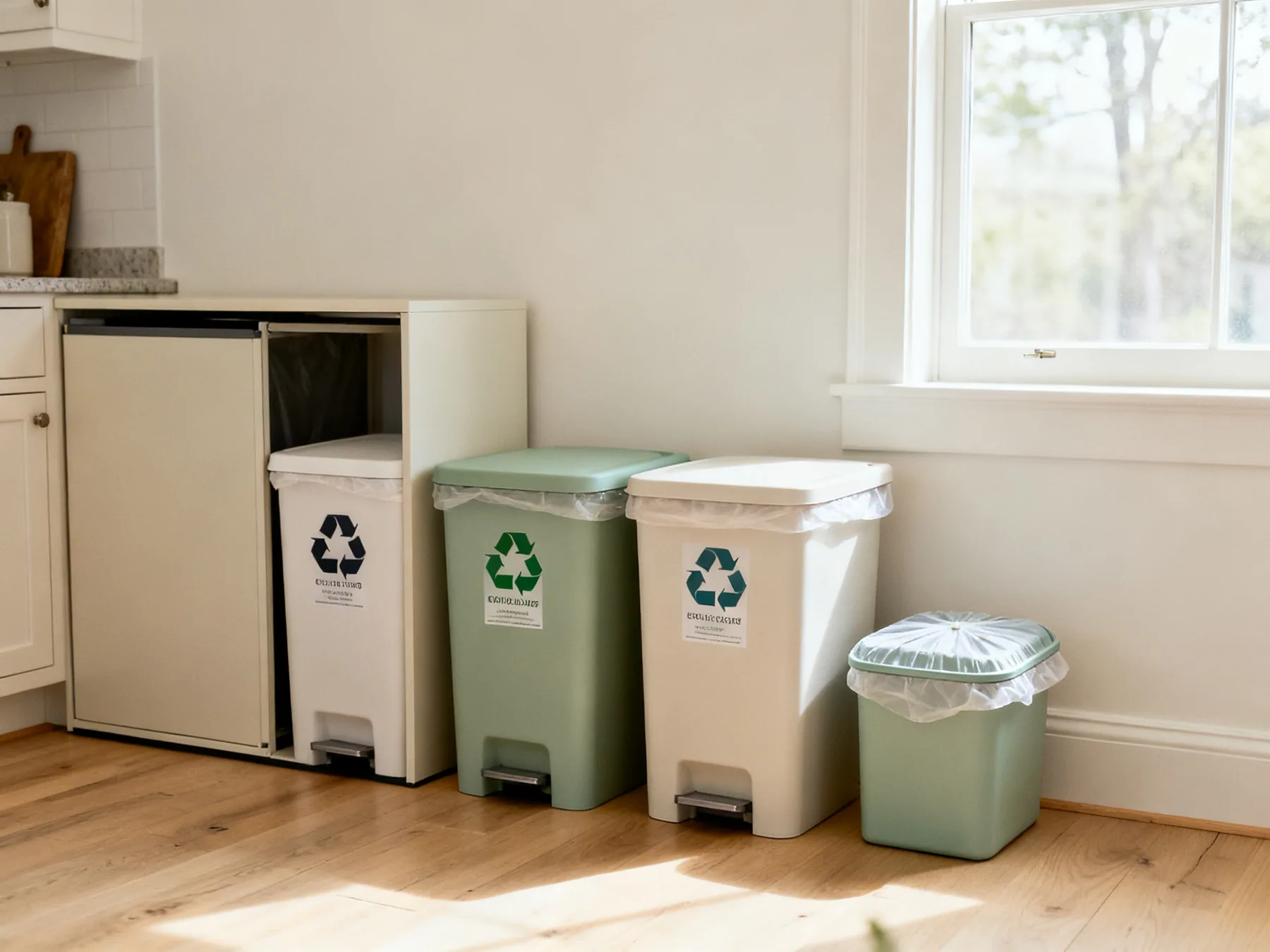
- Give every container a defined spot in or beside the store, labelled if the household needs it.
- Keep the food waste caddy somewhere you can reach without opening the main store.
- Sort at the bin rather than on collection day, which is what stops kitchen pile-ups.
- Check your council collection days and note them somewhere visible.
- Rinse recycling before it goes out, since unrinsed containers are what attract animals.
- Keep a bag of spare bin liners and caddy liners in or near the store.
- Leave the stack of flattened cardboard somewhere dry, since wet card is much harder to handle.
- Do not block a path, a gate or an escape route with the store.
Wheelie bin storage ideas that you will still use in a year: frequently asked questions
What should I look for in a wheelie bin store?
That it opens two ways: a lifting lid for putting rubbish in daily, and front doors so the bin can be wheeled straight out on collection day. A store that makes the daily motion awkward gets abandoned within a month. Also check the internal dimensions against your actual bin, because sizes vary considerably between councils.
What base does a bin store need?
Level, hard and drained. A full wheelie bin puts all its weight through two small wheels, so on grass they sink and the bin sits at an angle, and on gravel they dig in and the gravel migrates. Slabs on a compacted base with a very slight fall away from the house is enough, and it lets you hose the store out.
Does a bin store make the smell worse?
A sealed one can, which surprises people. A well-sealed box in summer sun becomes an oven and accelerates everything happening inside the bin. Choose slatted sides, leave a gap at the base, put it in shade if you have the choice, and keep the bin lid closed inside the store rather than treating the store as a substitute.
How do I stop foxes getting into my bins?
Fasten the store lid with a hasp or a bungee, which is enough to defeat most wildlife because it requires deliberate lifting. A bin lock on the lid itself works for persistent foxes, though check the collection crew can release it easily or your bin will not get emptied. Never leave bags outside the bin.
How many bins should a store hold?
Count what you actually have, which for most households is now three or four containers including recycling and food waste. A two-bin store leaves the rest leaning against a wall beside it, which defeats the point. Keep the food waste caddy somewhere reachable without opening the main store.
Where should a bin store go?
In shade if you have the choice, on a level hard base, not tight against the house wall, and with a clear route to the pavement. Measure the narrowest point on that route and check for steps, because a bin that has to be lifted to reach the kerb becomes a weekly annoyance rather than a one-off inconvenience.